Why a Personal Medical Alarm Could Be the Right Choice for Aging in Place
When my mother first mentioned that she sometimes felt unsteady on her feet in the garden, I tried to brush it off as just a part of getting older. But the worry stayed with me. She has lived in her own home for over thirty years, and the thought of her taking a fall with no one around to help kept creeping back. That is when I started looking into a personal medical alarm for her, and I quickly realized how much the technology has changed since the early pendant systems I remembered from a decade ago.
For many New Zealand seniors, the idea of leaving their home for a retirement village or a care facility feels unnecessary. They want to stay in the place that holds their memories, their routines, and their independence. Aging in place is a goal that makes sense on so many levels - emotionally, financially, and socially. But it does come with a real concern around safety, especially for those living alone or with a partner who might not be able to help in an emergency. A personal medical alarm can bridge that gap by providing a direct link to help when it is needed most.
How a Modern Medical Alert System Works
The classic image of a medical alert button is a simple pendant that you press when you need help. And that basic function is still at the heart of any good system. But today's devices offer much more than a one-way call for assistance. The best units combine fall detection, GPS tracking, and two-way calling so that the wearer can speak directly to a trained responder or a family member. Some systems, like those offered by Familyr, are designed specifically for the needs of New Zealand seniors, with waterproof pendants that can be worn in the shower and a smartphone app that lets family members monitor activity from anywhere.
The key difference between older systems and the newer generation is the level of communication. With two-way calling, the person who has fallen can explain what happened, and the responder can assess whether an ambulance is needed or if a neighbour can help. That makes a huge difference in how the situation is handled. It also reduces the number of false alarms that can waste emergency resources.
Fall Detection: The Feature That Changes Everything
One of the most important advances in personal medical alarm technology is automatic fall detection. Many seniors who fall are unable to press the button, either because they are unconscious or because the fall itself prevents them from reaching the pendant. A fall detection system uses sensors to recognise the motion and impact of a fall, and it automatically sends an alert to the emergency alert system. This can mean the difference between a quick response and lying on the floor for hours.

I have read stories of people who fell in their kitchen and could not reach the phone or the pendant. Their family only found out hours later because they did not show up for a planned call. With a fall detection pendant, the alert goes out whether the wearer can press it or not. That is the kind of safety net that makes aging in place feasible for more people.
GPS Tracking and Staying Connected Outdoors
For seniors who are still active and enjoy walking, gardening, or visiting friends, GPS tracking is a valuable addition. If a person wanders off their usual route, or if they get disoriented while out for a walk, the GPS allows a family member or emergency response service to locate them quickly. This is especially useful for those with early-stage memory issues who might not always remember the way home.
In New Zealand, mobile coverage from providers like Vodafone New Zealand is generally strong in urban and suburban areas, but it can be patchy in rural or remote parts of the country. When choosing a system, it is worth checking that the GPS and two-way calling work reliably in the places where the wearer spends most of their time. Some devices also include a battery backup, so the system keeps working even if the power goes out during a storm.
No Monthly Fees and Family Monitoring
One of the most common frustrations with traditional medical alert systems is the monthly subscription fee. Many companies charge ongoing fees that can add up to hundreds of dollars a year, and those fees often increase over time. That is why the idea of no monthly fees is so appealing. A system that you buy once and own outright, with no recurring charges, gives you peace of mind without the ongoing cost. Familyr, for instance, offers that kind of model, which makes it easier for families to budget for senior safety without worrying about a bill every month.

Family monitoring is another shift that I think is underappreciated. Instead of relying solely on a call centre, the system can notify designated family members directly through a smartphone app. This means that if a fall happens, the first call goes to someone who knows the person, their medical history, and their preferences. It also lets family members check in remotely, seeing whether the wearer has moved around during the day. That kind of connection can reduce anxiety for both the senior and the family.
What to Look for in a Personal Medical Alarm
Choosing the right system depends on the individual's lifestyle and needs. Here are a few things to consider:
- Waterproof pendant: Falls often happen in the bathroom, so the device should be shower-safe.
- Battery backup: A system that stops working during a power cut is not much use.
- Range and coverage: Check whether the device uses a landline, cellular, or Wi-Fi connection, and make sure it works in the whole home and garden.
- Ease of use: The button should be large enough to press easily, and the pendant should be comfortable to wear all day.
- Family access: Look for a system that allows multiple family members to receive alerts and check on the wearer.
There are several well-known brands in this space, including Philips Lifeline, Bay Alarm Medical, and CareAlert. Each has its own strengths, and some offer features like a long-range pendant or a wall-mounted help button. But the most important thing is that the system fits the person who will wear it. A device that is too complicated or uncomfortable to wear will not be used, and that defeats the purpose.
The Human Side of Senior Safety
Beyond the technology, there is a human element that matters just as much. A personal medical alarm is not just a gadget; it is a tool that allows someone to maintain their independence while staying connected to the people who care about them. I have seen how much it reassures a family to know that their elderly parent can call for help at any time. And I have heard from seniors who say that wearing the pendant gives them the confidence to keep doing the things they love, like walking the dog or working in the garden.
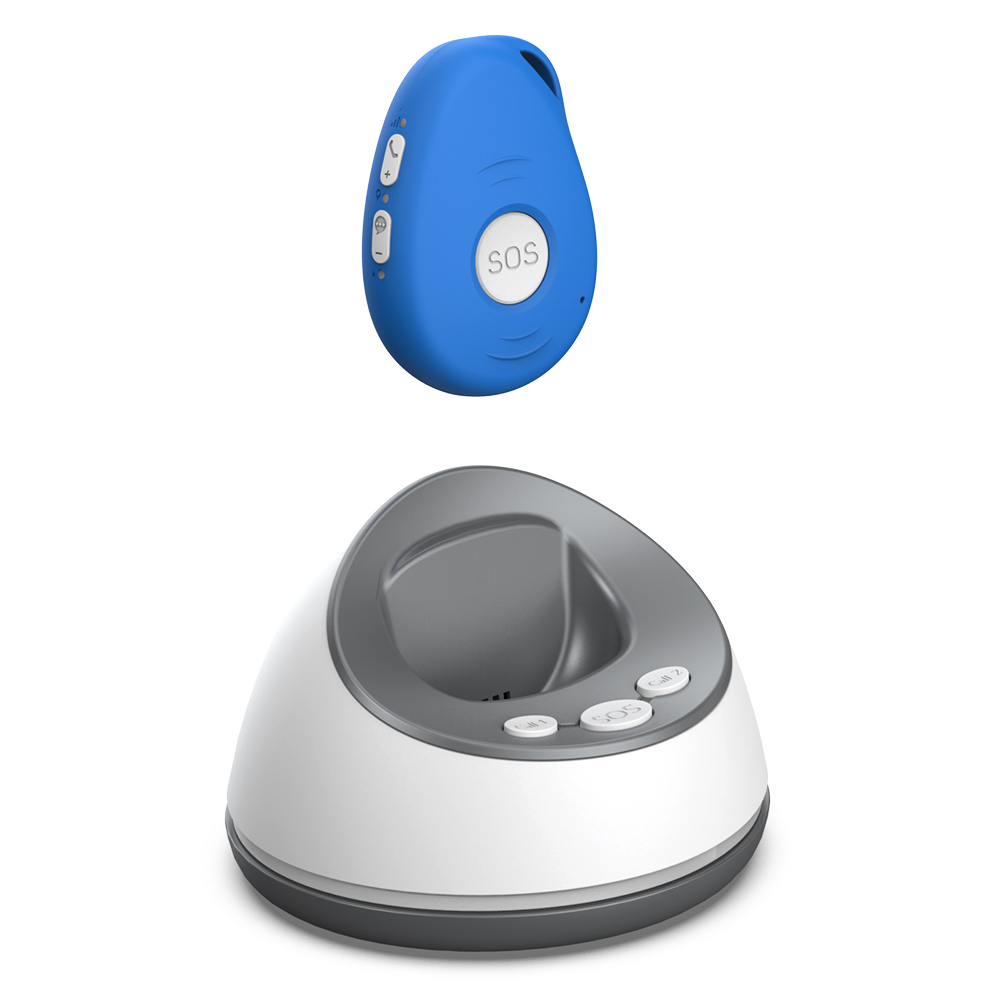
Of course, no device can replace regular check-ins from family and neighbours, or a well-thought-out care plan. But a medical alert button, combined with fall detection and GPS tracking, provides an extra layer of security that makes aging in place a realistic option for more New Zealand seniors. It is not about being afraid; it is about being prepared.
If you are thinking about a system for yourself or a loved one, take the time to compare features and read the fine print. Look for a system that offers a waterproof pendant, no monthly fees, and reliable two-way calling. And make sure the emergency response service is one you trust, whether that is a professional call centre or a family monitoring setup. The goal is a quick response when it matters, and the right personal medical alarm can deliver that.